Solar system Installation

- Description
- Curriculum
- FAQ
- Notice
- Reviews
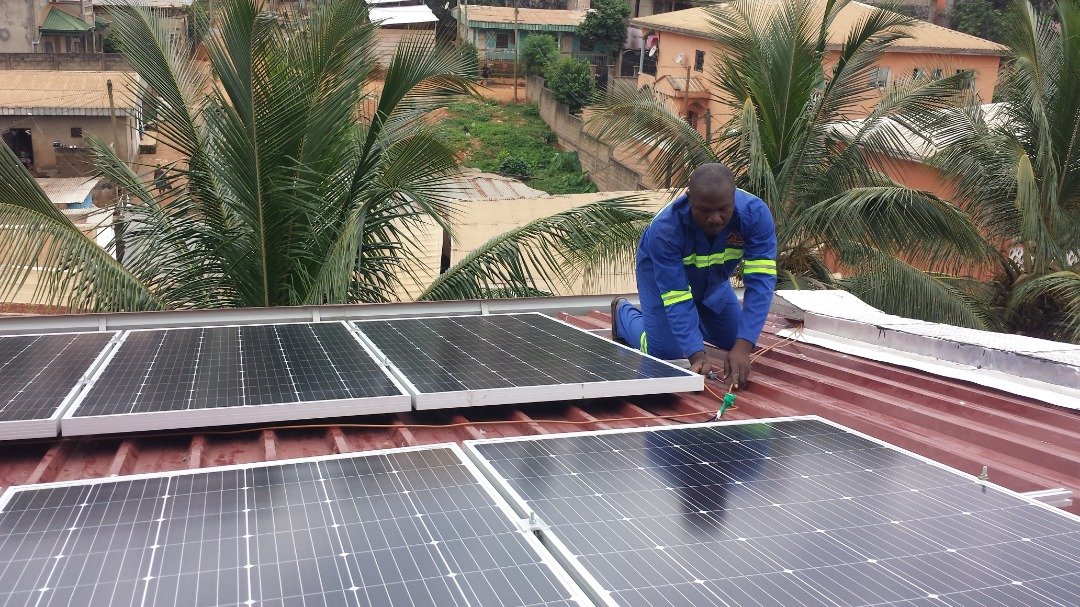
Solar panels are devices that convert sunlight into electricity. They are made up of many small units called solar cells, usually made from silicon — a material that can absorb sunlight and release electrons, creating an electric current.
Each panel generates direct current (DC) electricity, which is then converted into alternating current (AC) by an inverter, making it usable for homes, schools, businesses, and industries.
Solar panels are usually mounted on rooftops, ground structures, or even portable frames, depending on the application. They work best when placed where they can receive direct sunlight for most of the day.
-
1
 Choosing the Right Solar Panels
By the end of this lesson, learners will understand the different types of solar panels, the factors to consider when choosing one, and how to select the best option for their energy needs and budget.
-
2
 How to Choose the RIGHT Solar Panels for Your Home
By the end of this lesson, learners will understand the different types of solar panels, the key factors to consider when buying, and how to make a smart investment that fits their home’s energy needs and budget.
-
3
Uploaded Lesson Material
-
4
Installation of Solar Panels
Solar panel installation is the process of setting up solar energy systems to capture sunlight and convert it into electricity. A proper installation ensures maximum efficiency, safety, and long system life.
This lesson outlines the main steps, tools, and precautions needed to install solar panels correctly. -
5
Deep Learning
Solar panels convert sunlight into electricity and are key components of any solar energy system. Choosing the right type of solar panel can affect your system’s efficiency, cost, and lifespan. This lesson will guide you through how to make an informed choice.


-
Powering homes and offices.
-
Pumping water in boreholes and farms.
-
Charging batteries and powering streetlights.
-
Reducing dependence on the national electricity grid.
Requirements for Solar Panel Installation
Before installing a solar energy system, several technical, physical, and safety requirements must be met to ensure efficient performance and long-term reliability.
🏠 1. Site Requirements
-
Adequate Sunlight: The location should receive at least 4–6 hours of direct sunlight per day.
-
Proper Roof Orientation: In the Northern Hemisphere, roofs facing south are ideal for maximum sunlight exposure.
-
Roof Strength and Condition: The roof must be strong enough to support the weight of the panels and mounting structures.
-
No Shading: Ensure there are no tall trees, buildings, or poles casting shadows on the panels.
🔋 2. Electrical Requirements
-
Inverter: Converts the DC power from solar panels to AC power used in homes.
-
Batteries (optional): For storing energy for use at night or during power outages.
-
Charge Controller: Regulates voltage and current to prevent battery overcharging.
-
Cables and Connectors: Use high-quality solar-rated wires and connectors (MC4 type).
-
Circuit Breakers and Fuses: For safety and protection against electrical faults.
🧰 3. Equipment Requirements
-
Solar panels (monocrystalline, polycrystalline, or thin-film).
-
Mounting structure (roof or ground mount).
-
Bolts, brackets, and clamps for securing panels.
-
Tools such as drills, spanners, and multimeters.
-
Safety gear — gloves, helmet, harness, and non-slip shoes.
🧠 4. Technical Requirements
-
System Design: Calculate the total power needed (in kW) and the number of panels required.
-
Tilt Angle: The panel’s angle should match the latitude of the installation site for maximum efficiency.
-
Wiring Configuration: Choose between series or parallel connections based on voltage and current needs.
-
Qualified Installer: Use a certified solar technician to ensure safety and compliance with electrical standards.
🛡️ 5. Legal and Regulatory Requirements
-
Obtain permits or approval from local authorities (if required).
-
Ensure the system meets national electrical codes and safety standards.
-
If connecting to the grid, contact the utility company for inspection and authorization.
👥 Intended Audience for Solar Panel Lessons
The lessons on solar panels are designed for individuals and groups who want to understand, install, or work with solar energy systems.
🎓 1. Students and Learners
-
Those studying renewable energy, electrical engineering, or environmental science.
-
High school or college students interested in clean energy technologies.
🧑🔧 2. Technicians and Installers
-
Electricians, solar technicians, and engineers who want to gain or improve practical skills in solar system design, installation, and maintenance.
💼 3. Business Owners and Entrepreneurs
-
People planning to start or manage solar installation companies or renewable energy services.
-
Homeowners and small business owners interested in reducing energy costs through solar power.
🌍 4. Community and Government Programs
-
Organizations promoting sustainable development and rural electrification.
-
NGOs, local councils, and cooperatives involved in clean energy awareness campaigns.